Germany's Transformative Journey: The First World War
Farewell to the German Question: A Look Back at Germany's Turbulent Journey (1914-1945)This article delves into a pivotal period in German history, spanning from the outbreak of World War I to the end of World War II, often referred to as "Farewell to the German Question." This era witnessed the collapse of the German

Farewell to the German Question: A Look Back at Germany's Turbulent Journey (1914-1945)
This article delves into a pivotal period in German history, spanning from the outbreak of World War I to the end of World War II, often referred to as "Farewell to the German Question." This era witnessed the collapse of the German Empire, the rise and fall of the Weimar Republic, and the devastating reign of Nazi Germany.

1. The First World War and the Seeds of Change:
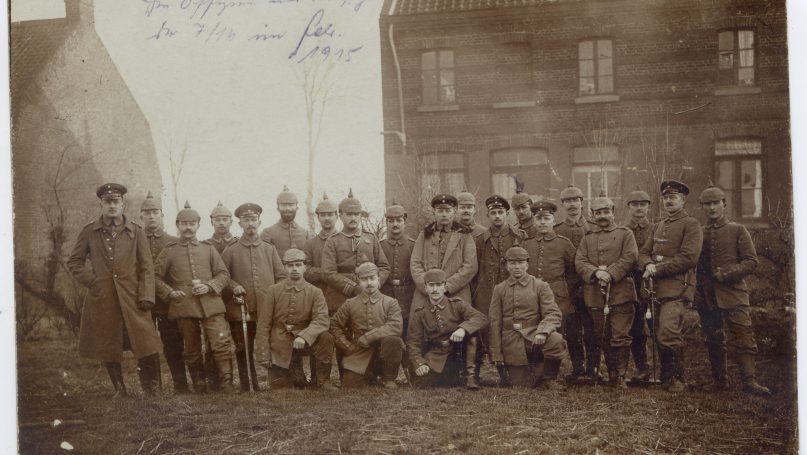
The conclusion of World War I in 1918, with Germany's defeat, marked a significant turning point. Faced with undeniable military defeat, the German government implemented last-minute reforms, such as making the Reich Chancellor subject to the Reichstag (parliament), in a desperate bid for a more favorable peace treaty. However, these changes failed to achieve their intended outcomes and inadvertently provided ammunition for opponents of democracy to criticize the parliamentary system as "un-German."
2. The Unfulfilled Promise of Revolution:
The failed reforms triggered a grassroots revolution in November 1918. Unlike other major revolutions, this movement aimed not for radical societal transformation but for expanding existing democratic structures. Objectives included women's suffrage and establishing genuinely democratic elections at all levels of governance. Despite these noble aspirations, the revolution fell short, setting the stage for a fragile new order.
3. The Weimar Republic: A Struggle for Stability:
Established in 1919, the Weimar Republic encountered numerous challenges from its inception. Burdened by the Treaty of Versailles, economic hardships, and political extremism from both ends of the spectrum, it struggled to consolidate its position. Despite intermittent periods of relative calm, the Weimar Republic eventually succumbed to these pressures.
4. The Rise of the Nazis and Descent into Darkness:
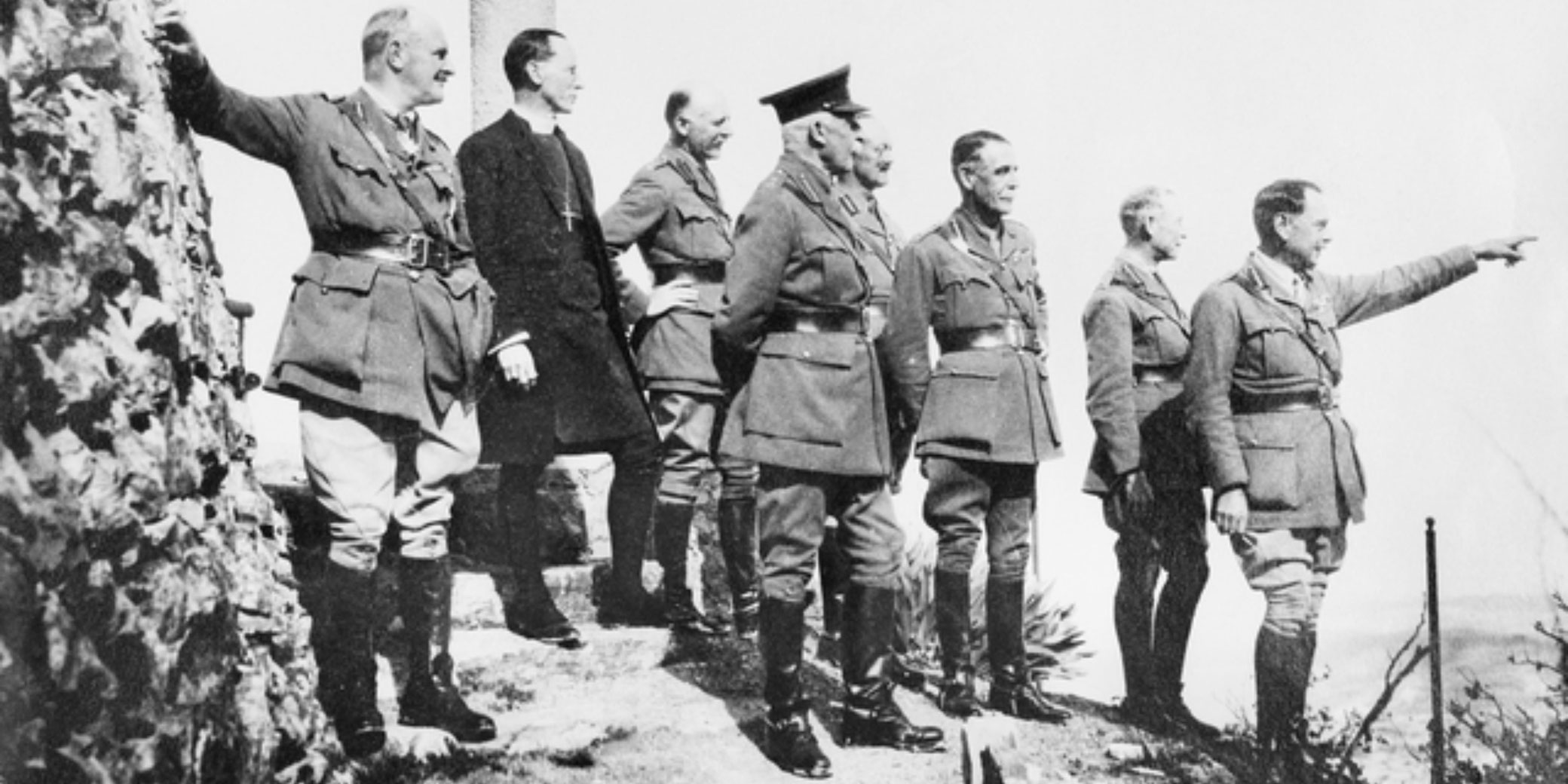
The economic turmoil of the early 1930s proved decisive. The Nazi Party, under Adolf Hitler's leadership, exploited widespread discontent and ascended to power in 1933. The passage of the "Enabling Act" that year marked the formal commencement of Nazi dictatorship, dismantling remnants of the Weimar Republic and ushering in an era of totalitarian rule.
5. World War II and its Devastating Aftermath:
Hitler's expansionist ambitions precipitated World War II in 1939. This global conflict, one of history's most catastrophic events, claimed an estimated 60 million lives and left vast regions of Europe and Asia in ruins. The Holocaust, a systematic genocide perpetrated by the Nazis resulting in six million Jewish deaths, serves as a stark reminder of humanity's darkest depths during this period.
6. The End of an Era and Birth of a New Germany:
Germany's unconditional surrender in 1945 signaled the conclusion of World War II and a pivotal moment in German history. The nation was partitioned into occupation zones, initiating a protracted process of reconstruction and reconciliation. This phase truly marked the "Farewell to the German Question," as the unified Germany that emerged in the 19th century was fractured and compelled to confront its historical legacy.
Explore Further:
Turning Points in German History: From Secularization to World War Ihttps://www.voidinsider.com/article/turning-points-in-german-history-from-secularization-to-world-war-i/
More from History
Understanding contemporary issues can often seem like navigating through a complex maze. However, history offers a powerful tool for deciphering these challenges. By looking back at historical events, trends, and decisions, we can gain valuable insights into the present and make more informed decisions about the future

Bhagat Singh is one of India's most celebrated freedom fighters, whose legacy continues to inspire generations. Known for his courage, intellect, and unwavering commitment to India's independence, Bhagat Singh’s life is a testament to the power of youth in driving change. This biography delves into the life, struggles,
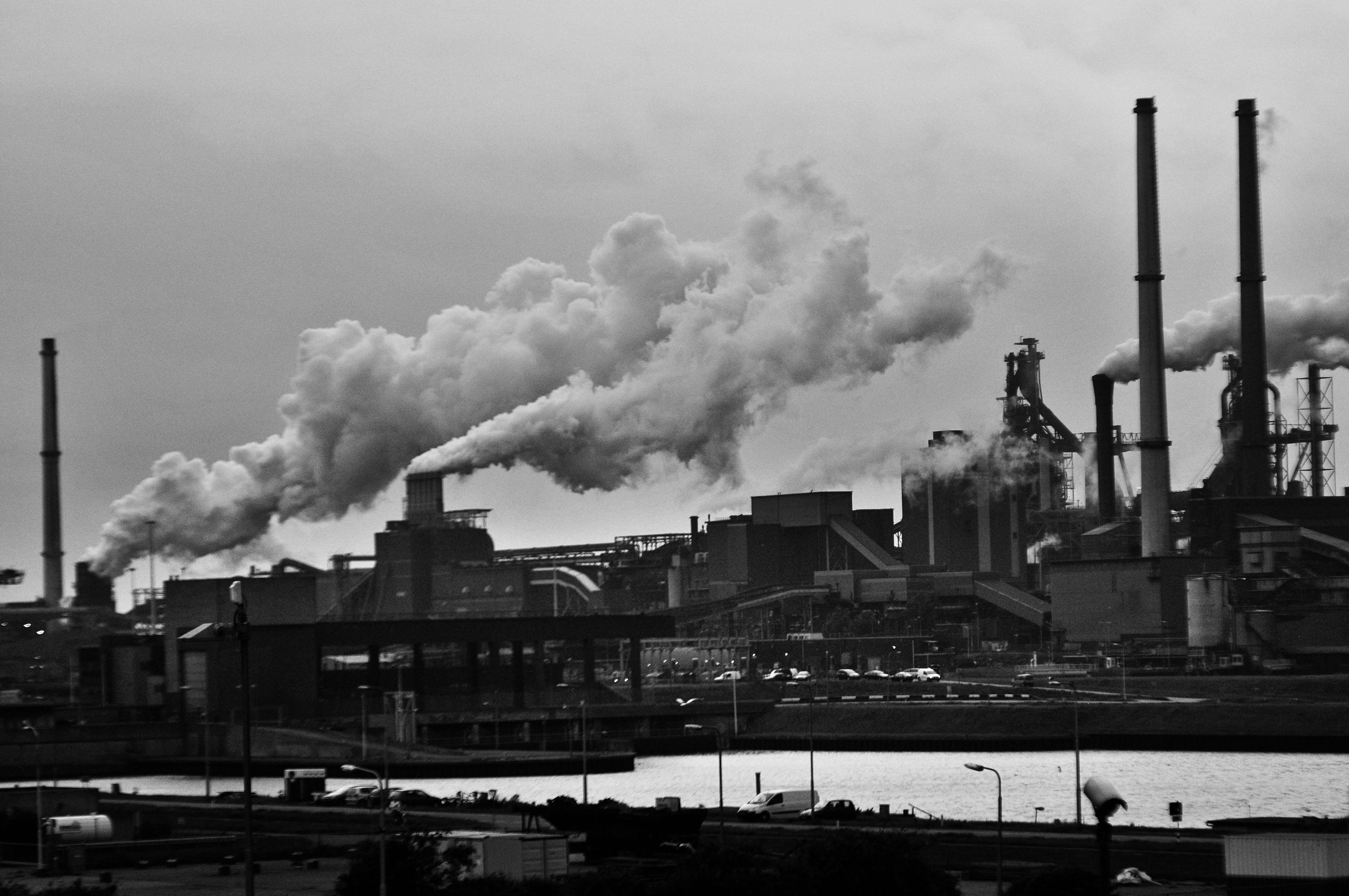
The Industrial Revolution, a period of unprecedented technological, economic, and social change, stands as a pivotal chapter in human history. Beginning in the late 18th century and stretching into the 19th century, this era revolutionized the way people lived, worked, and interacted with the world around them. The pro
Stay in the loop
Get the latest articles delivered to your inbox. No spam, unsubscribe anytime.
World Heritage Sites: Treasures of Our Planet
Scattered across the globe, like precious jewels on a vast canvas, lie World Heritage Sites. These remarkable landmarks, designated by the United Nations Educational, Scientific and Cultural Organization (UNESCO), hold exceptional cultural, historical, natural, or combined significance for humanity. From the ancient ru
Continue Reading