The Influence of the Industrial Revolution on Modern Society
The Industrial Revolution, a pivotal era spanning the late 18th and early 19th centuries, profoundly reshaped societies across the globe. This transformative period, marked by advancements in technology, manufacturing, and transportation, has left a lasting impact on modern society. Understanding this influence can pro
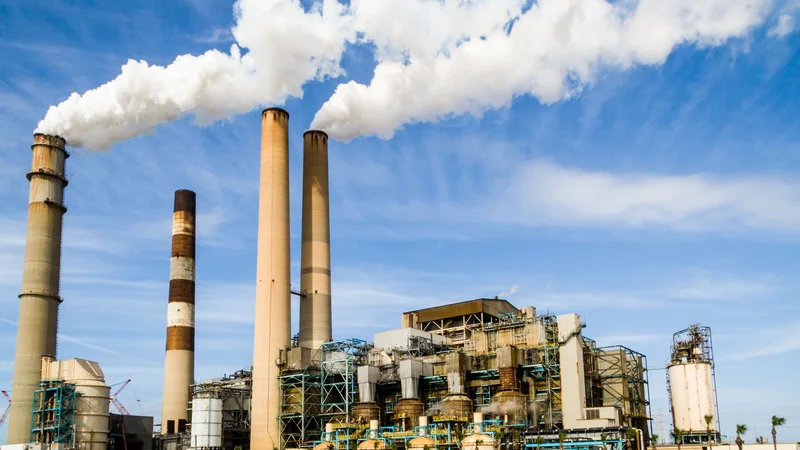
The Industrial Revolution, a pivotal era spanning the late 18th and early 19th centuries, profoundly reshaped societies across the globe. This transformative period, marked by advancements in technology, manufacturing, and transportation, has left a lasting impact on modern society. Understanding this influence can provide valuable insights into our current industrial and social landscape.
Technological Advancements and Economic Growth
One of the most significant influences of the Industrial Revolution is the technological innovation that spurred economic growth. The development of machinery such as the steam engine, the spinning jenny, and the power loom revolutionized production processes. These inventions increased efficiency and productivity, leading to the rise of factories and mass production.
The shift from manual labor to mechanized work not only boosted productivity but also created new industries and job opportunities. This economic transformation laid the groundwork for the modern capitalist economy, characterized by large-scale manufacturing and global trade.
Urbanization and Social Changes
The Industrial Revolution also triggered significant demographic shifts. As factories sprung up, people migrated from rural areas to urban centers in search of employment. This migration led to rapid urbanization, with cities expanding and populations growing at unprecedented rates.
Urbanization brought about various social changes, including the rise of a new social class structure. The burgeoning middle class, composed of factory owners and managers, contrasted sharply with the working class, who often endured harsh working conditions. This period also saw the emergence of labor unions and social reform movements, advocating for workers' rights and improved living conditions.
Impact on Lifestyle and Daily Life
The Industrial Revolution drastically altered everyday life. Innovations in transportation, such as the locomotive and the steamship, made travel and the movement of goods faster and more efficient. These advancements not only facilitated trade but also broadened people's horizons, enabling them to travel and communicate more easily than ever before.
Moreover, the era introduced significant changes in domestic life. The availability of mass-produced goods led to a rise in consumerism, with a wider variety of products becoming accessible to the general public. This shift contributed to the development of a consumer-oriented society, a characteristic that remains prevalent today.
Long-term Environmental Effects
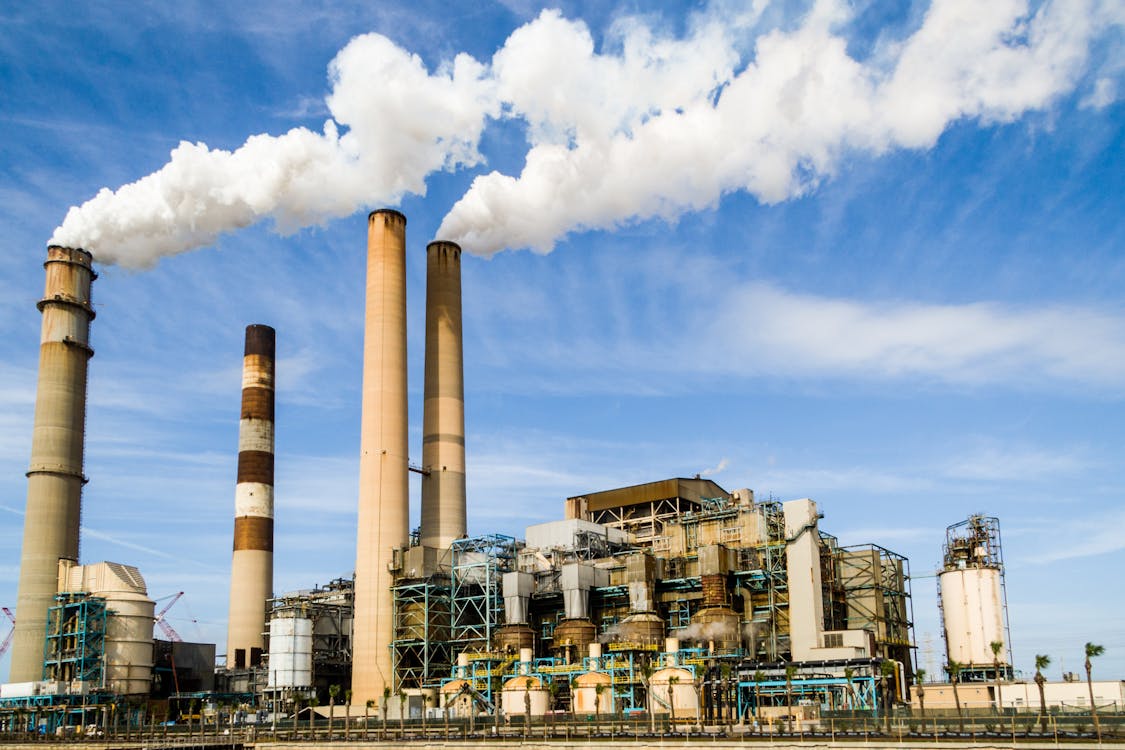
While the Industrial Revolution spurred economic and technological progress, it also had adverse environmental impacts. The increase in coal consumption and industrial emissions contributed to air and water pollution, laying the groundwork for contemporary environmental challenges.
The legacy of industrial pollution has prompted modern society to seek sustainable practices and cleaner energy sources. Understanding the environmental consequences of industrialization is crucial in addressing current ecological issues and promoting a sustainable future.
Conclusion
The Industrial Revolution's influence on modern society is undeniable. From technological advancements and economic growth to urbanization and social change, its impact is far-reaching. While it brought about significant progress, it also introduced challenges that continue to shape our world today. Reflecting on this period helps us appreciate the complexities of industrialization and its enduring legacy on our contemporary society.
By examining the transformative effects of the Industrial Revolution, we gain a deeper understanding of our current economic, social, and environmental landscape. This historical insight is essential for navigating the challenges and opportunities of the modern world.
Additional Resources
For further reading on the Industrial Revolution and its impact, consider exploring the following resources:
More from History
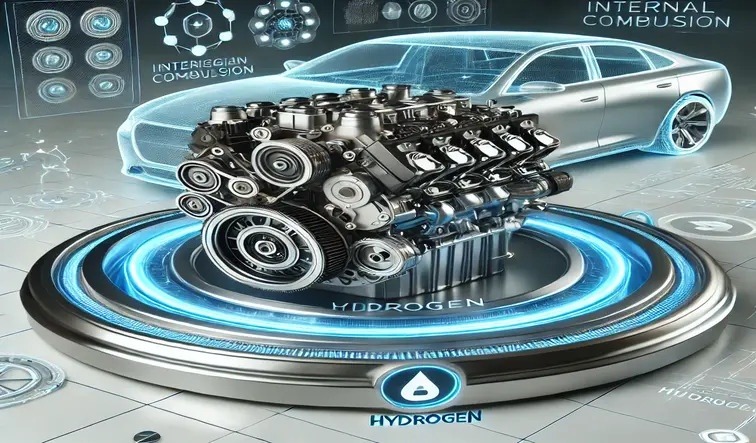
Triton EV, a leading electric vehicle manufacturer, has introduced a groundbreaking hydrogen-powered internal combustion engine (ICE), marking a significant leap towards sustainable transportation. This innovative engine, unveiled in 2024, is designed to operate using hydrogen as fuel, providing a cleaner, greener alte

In today’s globalized world, sending money internationally has become easier than ever, especially with the rise of fintech apps. If you're living in Germany and need to send money to family, friends, or business associates in India, you're in luck—there are plenty of great options available. In this article, we'll rev
Understanding contemporary issues can often seem like navigating through a complex maze. However, history offers a powerful tool for deciphering these challenges. By looking back at historical events, trends, and decisions, we can gain valuable insights into the present and make more informed decisions about the future
Stay in the loop
Get the latest articles delivered to your inbox. No spam, unsubscribe anytime.
Exploring Popular Yoga Styles: Hatha, Vinyasa, Ashtanga, and More
Yoga is a transformative practice that unites the mind, body, and spirit. With a plethora of styles to choose from, it can be daunting for beginners to decide which one suits them best. In this article, we'll explore the different styles of yoga, including Hatha, Vinyasa, Ashtanga, and more, to help you find the perfec
Continue Reading