The Role of Big Data Analytics in Healthcare: Improving Patient Care and Outcomes
In the modern era, the integration of big data analytics in healthcare is revolutionizing the industry. By harnessing vast amounts of data, healthcare providers can enhance patient care, streamline operations, and achieve better clinical outcomes. This article explores how big data analytics is transforming healthcare,

In the modern era, the integration of big data analytics in healthcare is revolutionizing the industry. By harnessing vast amounts of data, healthcare providers can enhance patient care, streamline operations, and achieve better clinical outcomes. This article explores how big data analytics is transforming healthcare, the benefits it brings, and real-world applications demonstrating its impact.
Understanding Big Data Analytics in Healthcare
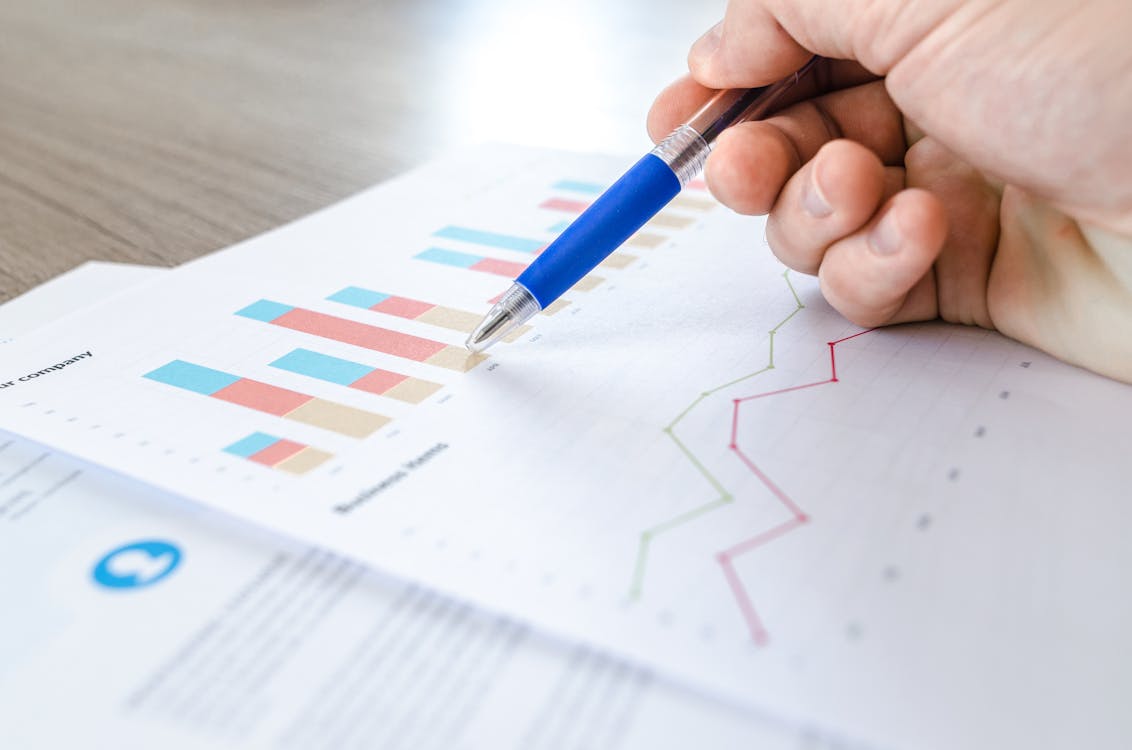
Big data analytics involves the examination of large and diverse data sets to uncover hidden patterns, unknown correlations, market trends, and other useful information. In healthcare, this data can include electronic health records (EHRs), genomic data, patient demographics, treatment data, and more.
Key Components of Big Data in Healthcare
Volume: Healthcare generates massive amounts of data daily, from patient records to clinical trial data.
Velocity: Data is collected at high speeds from various sources like wearable devices and real-time monitoring systems.
Variety: Data comes in different formats – structured (e.g., databases), unstructured (e.g., doctors' notes), and semi-structured (e.g., emails).
Veracity: Ensuring data accuracy and reliability is crucial for making informed healthcare decisions.
Benefits of Big Data Analytics in Healthcare
Improved Patient Care
Big data analytics enables personalized medicine, tailoring treatments to individual patients based on their genetic makeup and health history. By analyzing EHRs, doctors can identify the most effective treatment plans, reducing trial and error and improving patient outcomes.
Enhanced Disease Prediction and Prevention
Predictive analytics can identify at-risk patients before symptoms appear, allowing for early intervention. For instance, analyzing lifestyle data and genetic information can help predict the likelihood of developing chronic diseases like diabetes or heart disease.
Efficient Hospital Operations
Hospitals can optimize resource allocation by analyzing patient admission patterns and staffing needs. This ensures that resources are available when needed, reducing wait times and improving patient satisfaction.
Cost Reduction
By preventing diseases and reducing hospital readmissions, big data analytics can significantly cut healthcare costs. Additionally, predictive analytics can help avoid unnecessary tests and procedures, further lowering expenses.
Real-World Applications of Big Data Analytics in Healthcare
Predictive Analytics in Action
Johns Hopkins Hospital implemented a predictive analytics tool that monitors patient data in real-time to predict patient deterioration. This system, known as the "Palliative Care Screening Tool," helps identify patients in need of immediate care, thereby improving survival rates and reducing costs.
Personalized Treatment Plans
The University of California, San Francisco, uses big data analytics to develop personalized treatment plans for cancer patients. By analyzing genetic data and treatment responses, doctors can customize therapies that are more effective for individual patients.
Remote Patient Monitoring
Wearable devices and mobile apps collect health data that can be analyzed to monitor patients with chronic conditions. For example, patients with diabetes can use glucose monitors that transmit data to their healthcare providers, allowing for real-time adjustments to treatment plans.
Genomic Data Analysis
The Human Genome Project has generated an immense amount of genomic data that can be analyzed to understand genetic predispositions to diseases. This knowledge is crucial for developing targeted therapies and preventive measures.
Challenges and Future Prospects
Despite the benefits, implementing big data analytics in healthcare comes with challenges. Data privacy and security are paramount, as healthcare data is highly sensitive. Additionally, integrating disparate data sources and ensuring data quality can be complex.
Looking ahead, advancements in artificial intelligence (AI) and machine learning (ML) will further enhance the capabilities of big data analytics. As technology evolves, we can expect even more precise predictive models, efficient healthcare delivery, and improved patient outcomes.
Conclusion
Big data analytics is undeniably transforming healthcare by enabling personalized medicine, predicting diseases, optimizing hospital operations, and reducing costs. As the industry continues to embrace data-driven approaches, the potential for improving patient care and outcomes is immense. Healthcare providers must navigate the associated challenges to fully realize the benefits of big data analytics, ultimately leading to a healthier future for all.
Sources
“Big Data in Healthcare: Breaking Through the Noise” - HealthITAnalytics
“The Role of Big Data Analytics in Healthcare” - IEEE Xplore
“Predictive Analytics: Transforming Healthcare with Data” - Johns Hopkins Medicine
“The Power of Personalized Medicine” - UCSF Medical Center
“Wearable Technology and Remote Patient Monitoring” - HealthTech Magazine
“Genomic Data and Its Impact on Healthcare” - National Human Genome Research Institute
By leveraging the power of big data analytics, healthcare providers can revolutionize patient care, driving better outcomes and more efficient healthcare systems.
More from Economics

The highly anticipated Hyundai Motor India Ltd. (HMIL) Initial Public Offering (IPO) is set to open for subscription on October 15, 2024. This IPO, projected to be India's largest-ever, is estimated to raise ₹27,870 crore (around $3 billion), surpassing the record set by LIC's IPO.Market Sentiment and CrazeInvestors ar
Understanding economic indicators is crucial for investors, analysts, and anyone interested in the financial markets. These indicators provide insights into the health of an economy, guiding decisions on investments, policy-making, and business strategy. But how do you interpret these indicators effectively? This guide

In the dynamic world of consumer electronics, BOAT has emerged as a formidable player, particularly in the Indian market. This homegrown brand, known for its affordable and stylish audio products, has disrupted the industry and gained a loyal customer base. Let's delve into the business strategies and growth trajectory
Stay in the loop
Get the latest articles delivered to your inbox. No spam, unsubscribe anytime.
Cyclone Remal at Bay of Bengal: A Comprehensive Overview
The Bay of Bengal, notorious for its seasonal cyclonic activities, is currently witnessing the development of Cyclone Remal. This weather event has garnered significant attention due to its potential impact on the coastal regions of India, Bangladesh, and Myanmar. In this article, we will delve into the formation, traj
Continue Reading