Transform Your Skin: A Guide to Effective Exfoliation for a Smoother Texture
Maintaining smooth, radiant skin is a goal shared by many, and one of the most effective ways to achieve this is through exfoliation. This process, which involves removing dead skin cells from the surface of the skin, can significantly improve your skin’s texture and overall appearance. However, exfoliation needs to be
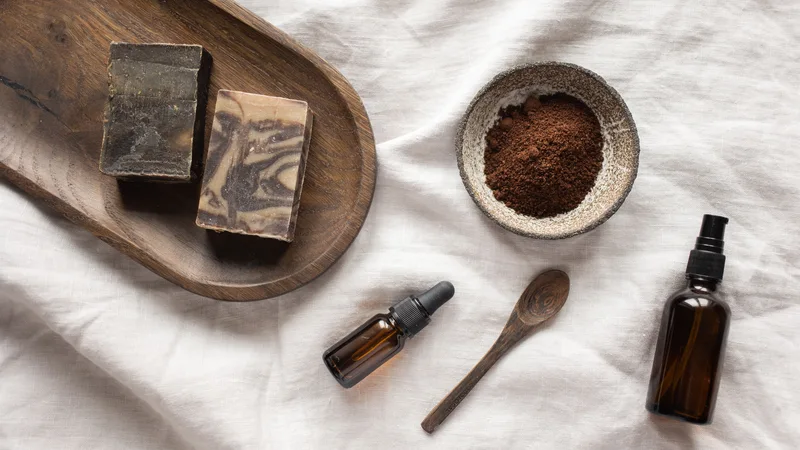
Maintaining smooth, radiant skin is a goal shared by many, and one of the most effective ways to achieve this is through exfoliation. This process, which involves removing dead skin cells from the surface of the skin, can significantly improve your skin’s texture and overall appearance. However, exfoliation needs to be done correctly to avoid damaging the skin. In this guide, we’ll explore how to use exfoliation to enhance your skin's texture, offering tips and advice for both beginners and skincare enthusiasts alike.
What Is Exfoliation and Why Is It Important?
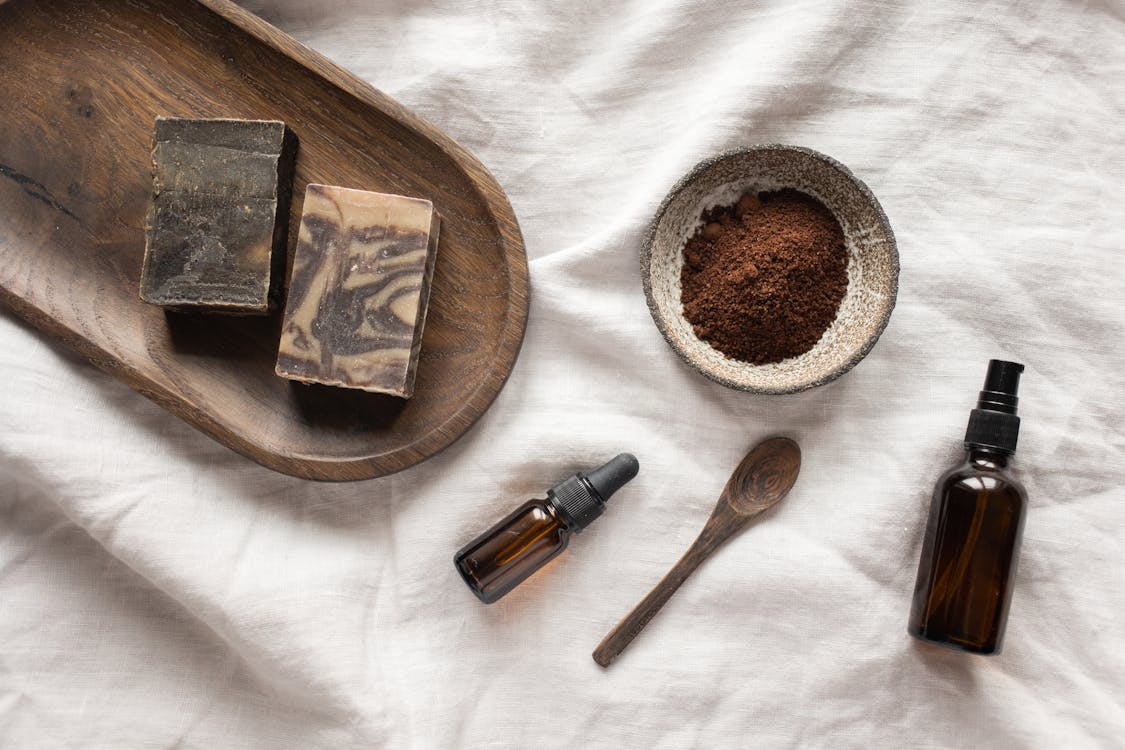
Exfoliation is the process of removing dead skin cells from the surface of your skin. Our skin naturally sheds dead cells to make room for new ones approximately every 30 days. However, sometimes, dead cells don’t shed completely. This can lead to dry, flaky patches, clogged pores, and a dull complexion.
Exfoliation helps to unclog pores, prevent acne, and allow skincare products to penetrate more deeply. Over time, regular exfoliation can improve the texture of your skin, making it smoother, brighter, and more even.
Types of Exfoliation: Which One Is Right for You?
There are two main types of exfoliation: physical and chemical. Each has its own benefits and is suitable for different skin types.
1. Physical Exfoliation
Physical exfoliation involves using a tool or product with a gritty texture to manually remove dead skin cells. Common tools include exfoliating gloves, brushes, and scrubs made with small particles like sugar, salt, or ground nuts.
- Pros: Provides immediate results and is easy to do at home.
- Cons: Can be harsh on the skin, especially if used too often or with too much pressure. Not suitable for sensitive skin types.
2. Chemical Exfoliation
Chemical exfoliation uses acids or enzymes to dissolve dead skin cells. Common ingredients include alpha hydroxy acids (AHAs) like glycolic acid, beta hydroxy acids (BHAs) like salicylic acid, and enzymes from fruits like papaya and pineapple.
- Pros: Offers deeper exfoliation without the need for scrubbing. Suitable for most skin types, including sensitive skin, when used correctly.
- Cons: Can cause irritation if not used properly or if the skin is not accustomed to these ingredients.
How to Choose the Right Exfoliant for Your Skin Type
Choosing the right exfoliant depends on your skin type and concerns. Here’s a quick guide:
- Oily and Acne-Prone Skin: Chemical exfoliants with BHAs like salicylic acid are effective as they penetrate deep into the pores and reduce oil buildup.
- Dry or Sensitive Skin: Gentle physical exfoliants or mild chemical exfoliants like lactic acid are ideal. Avoid harsh scrubs that can cause microtears.
- Combination Skin: You may benefit from alternating between physical and chemical exfoliants, depending on how your skin feels.
- Normal Skin: You have the flexibility to choose either type, but moderation is key to avoid over-exfoliation.
How to Properly Exfoliate Your Skin
To get the most out of your exfoliation routine without causing damage, follow these steps:
- Cleanse First: Start with a gentle cleanser to remove makeup, dirt, and oil. This preps your skin for exfoliation.
- Apply the Exfoliant: If using a physical exfoliant, apply it to damp skin and gently massage in circular motions. If using a chemical exfoliant, apply it to clean, dry skin and follow the instructions on the product.
- Rinse and Pat Dry: After exfoliating, rinse your skin with lukewarm water and pat it dry with a soft towel.
- Moisturize: Exfoliation can be drying, so it’s essential to follow up with a hydrating moisturizer to replenish your skin’s moisture barrier.
- Use Sunscreen: Exfoliation makes your skin more sensitive to the sun, so apply broad-spectrum sunscreen daily to protect your skin from UV damage.
How Often Should You Exfoliate?
The frequency of exfoliation depends on your skin type and the type of exfoliant you’re using. Generally:
- Physical Exfoliation: 1-2 times per week.
- Chemical Exfoliation: 1-3 times per week, depending on the product’s strength and your skin’s tolerance.
Over-exfoliating can lead to irritation, redness, and even breakouts, so it’s important to listen to your skin. If it feels dry or sensitive, reduce the frequency of exfoliation.
Benefits of Regular Exfoliation
When done correctly, regular exfoliation offers numerous benefits:
- Smoother Skin Texture: Exfoliation removes dead skin cells that can make your skin feel rough and look dull.
- Brighter Complexion: By clearing away the layer of dead skin, exfoliation reveals the fresh, radiant skin beneath.
- Reduced Appearance of Pores: Exfoliating helps to keep pores clean and unclogged, which can minimize their appearance.
- Better Absorption of Skincare Products: Without the barrier of dead skin cells, your serums, moisturizers, and treatments can penetrate more deeply and work more effectively.
Common Exfoliation Mistakes to Avoid
To ensure you’re getting the best results from your exfoliation routine, avoid these common mistakes:
- Over-Exfoliating: More is not always better. Stick to the recommended frequency to avoid irritating your skin.
- Using the Wrong Exfoliant: Choose an exfoliant suited to your skin type. Using a harsh scrub on sensitive skin can cause more harm than good.
- Skipping Moisturizer: Exfoliation can strip your skin of its natural oils, so always follow up with a good moisturizer.
- Ignoring Sunscreen: Your skin is more vulnerable to sun damage after exfoliation, so never skip sunscreen.
Conclusion
Exfoliation is a powerful tool in any skincare routine when done correctly. By choosing the right exfoliant for your skin type and using it with care, you can enjoy smoother, brighter, and healthier skin. Remember, consistency is key, and always listen to your skin’s needs.
For those looking to elevate their skincare routine, incorporating regular exfoliation can be transformative. With the right approach, you’ll notice a significant improvement in your skin’s texture and overall appearance.
References
- American Academy of Dermatology Association. (n.d.). Exfoliation: Tips on How to Properly Exfoliate Your Skin.
- Healthline. (2020). Everything You Need to Know About Exfoliation.
- Mayo Clinic. (2022). Healthy Skin: The Importance of Exfoliation.
More from Skincare

Pregnancy is a time of profound change, and your skin reflects this incredible journey. The hormonal shifts, emotional highs, and physical transformations can lead to various skin challenges. Whether you're facing the glow of pregnancy or dealing with some common skin issues, maintaining a good skincare routine is esse

Sun exposure is a double-edged sword. While soaking up some rays provides essential vitamin D, prolonged exposure can damage your skin, leading to issues like sunburn, premature aging, and even skin cancer. Learning how to repair and rejuvenate your skin after sun exposure is crucial for maintaining a healthy, radiant

In the ever-evolving world of skincare, one product stands out for its transformative benefits: night cream. Designed to work while you sleep, night cream is a crucial component of any effective skincare routine. This article delves into the myriad benefits of using night cream, offering insights into why this product
Stay in the loop
Get the latest articles delivered to your inbox. No spam, unsubscribe anytime.
Revolutionizing the Food Industry: The Role of Technology in Transforming How We Eat
The food industry has experienced a seismic shift over the past few decades, with technology playing a pivotal role in transforming every aspect of how food is produced, processed, distributed, and consumed. From farm to table, innovative technologies are reshaping the landscape of the food industry, offering new oppor
Continue Reading