Understanding the Calorie Deficient Diet: How It Works and Potential Risks
In the realm of health and fitness, the concept of a calorie-deficient diet has gained significant traction. But what exactly does it entail, and how does it impact our bodies? Let's delve into the details of this popular approach to weight loss and its potential implications.What is a Calorie Deficient Diet?A calorie-
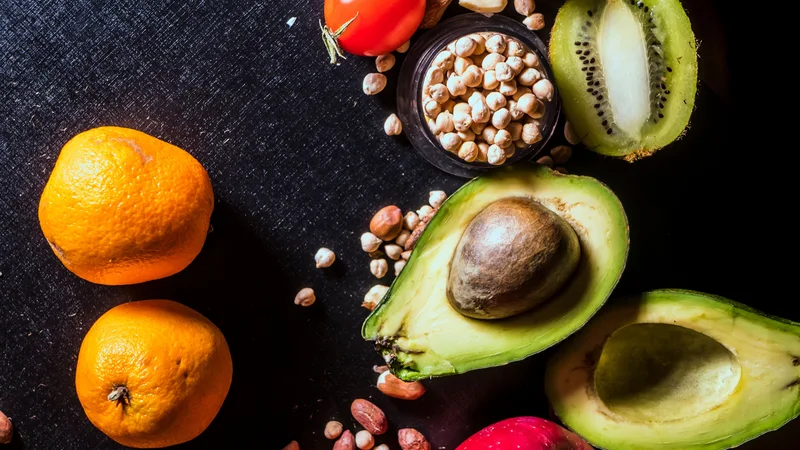
In the realm of health and fitness, the concept of a calorie-deficient diet has gained significant traction. But what exactly does it entail, and how does it impact our bodies? Let's delve into the details of this popular approach to weight loss and its potential implications.
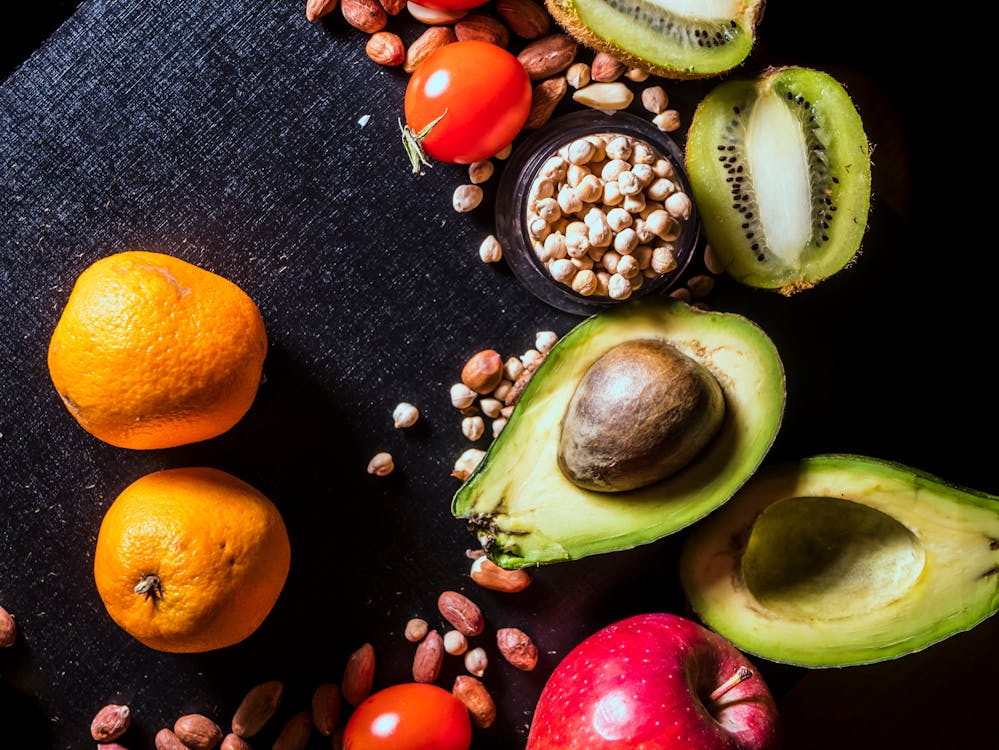
What is a Calorie Deficient Diet?
A calorie-deficient diet, also known as a calorie deficit diet, revolves around consuming fewer calories than your body expends. This essentially creates a "calorie deficit" wherein the body utilizes stored fat for energy, leading to weight loss. The fundamental principle is simple: burn more calories than you consume.
How Does it Work?
Energy Balance: The key to a calorie-deficient diet lies in the concept of energy balance. When the body expends more energy (calories) than it takes in through food and drink, it taps into stored fat for fuel.
Weight Loss: By consistently maintaining a calorie deficit over time, the body starts burning fat reserves for energy, resulting in gradual and sustainable weight loss.
Monitoring Intake: Achieving a calorie deficit involves careful monitoring of calorie intake. This often entails tracking meals, portion sizes, and making informed food choices.
Benefits of a Calorie Deficient Diet:

Weight Loss: The primary goal of this diet is to shed excess pounds in a controlled and healthy manner.
Improved Health Markers: Studies suggest that a calorie deficit can lead to improvements in cholesterol levels, blood pressure, and insulin sensitivity.
Flexible Approach: With no strict dietary restrictions, individuals have the freedom to choose foods they enjoy while staying within their calorie limits.
Risks and Considerations:
Nutrient Deficiencies: Reduced calorie intake may lead to deficiencies in essential nutrients such as vitamins, minerals, and protein. It's crucial to ensure a well-balanced diet with nutrient-dense foods.
Loss of Muscle Mass: In severe calorie deficits, the body may break down muscle tissue for energy, leading to muscle loss. Incorporating strength training exercises can help preserve muscle mass.
Metabolic Adaptation: Prolonged calorie restriction can slow down the metabolism, making weight loss more challenging over time. Regular adjustments to calorie intake may be necessary.
How to Implement a Calorie Deficient Diet:
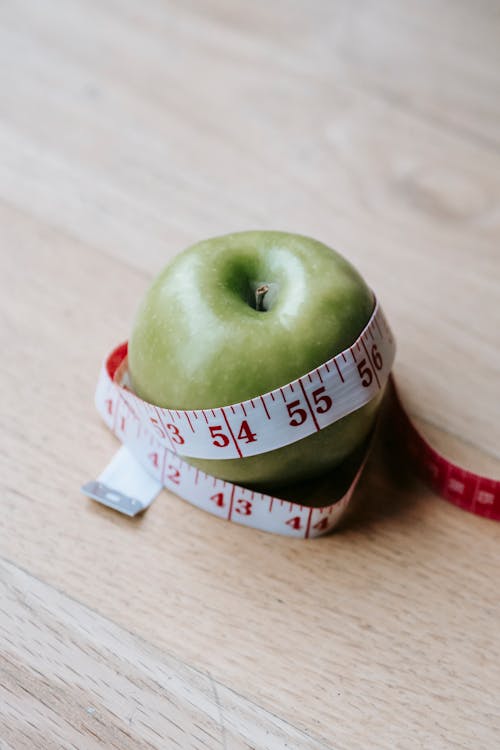
Calculate Your Caloric Needs: Determine your daily calorie requirements based on factors such as age, weight, activity level, and weight loss goals.
Track Your Intake: Use a food diary or mobile app to monitor your daily calorie intake and ensure you stay within your target range.
Focus on Nutrient-Dense Foods: Opt for whole, unprocessed foods rich in nutrients, such as fruits, vegetables, lean proteins, and whole grains.
Stay Hydrated: Drinking an adequate amount of water helps curb appetite and supports overall health.
Seek Professional Guidance: Consult with a nutritionist or dietitian to create a personalized calorie deficit plan tailored to your needs.
In conclusion, a calorie-deficient diet can be an effective tool for weight loss when implemented correctly. By creating a moderate calorie deficit, focusing on nutrient-dense foods, and staying mindful of potential risks, individuals can achieve their weight loss goals in a healthy and sustainable manner. Remember, it's essential to listen to your body's cues, prioritize overall health, and seek professional guidance when needed.
More from Health

Ever feel like there's just not enough time in the day to get everything done? You're not alone! In today’s fast-paced world, finding ways to maximize productivity is more important than ever. The good news is that by making small, intentional lifestyle changes, you can significantly boost your efficiency without burni
Eating organic food has become more than just a trend—it's a conscious lifestyle choice aimed at promoting better health and environmental sustainability. However, many people believe that going organic is too expensive. Fortunately, with some smart strategies, it’s possible to eat organically without breaking the bank
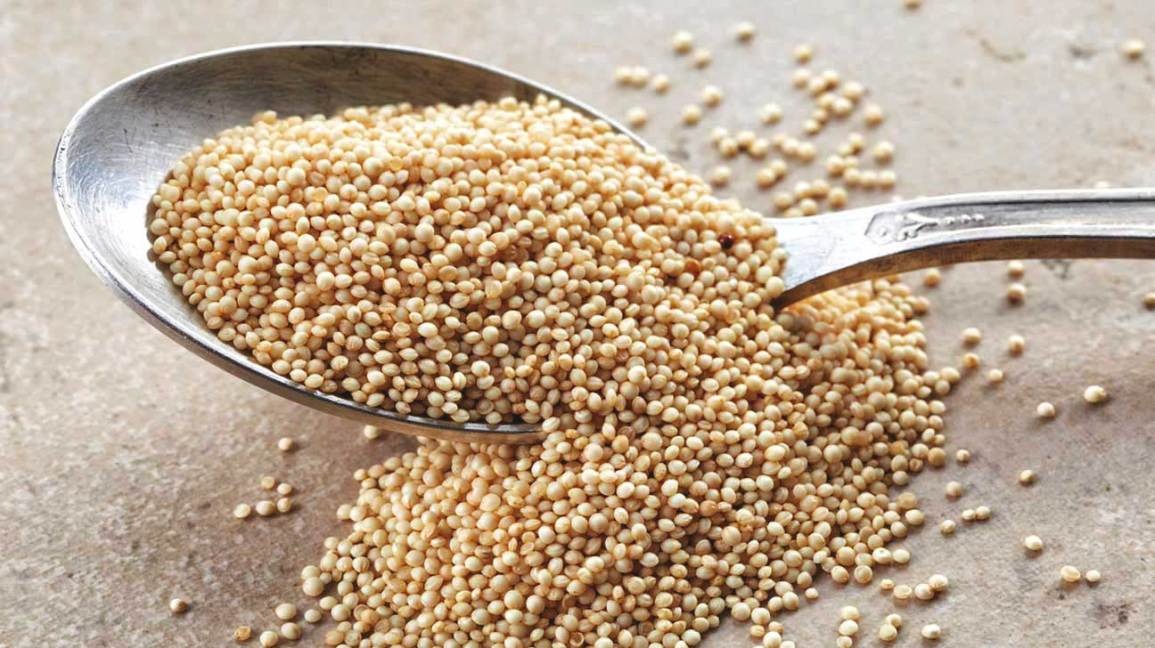
In recent years, amaranth has gained popularity among health enthusiasts and foodies alike. This ancient grain, once a staple food of the Aztecs, has resurfaced as a powerhouse ingredient for modern kitchens. Packed with protein, fiber, and a host of other nutrients, amaranth is a versatile and delicious addition to an
Stay in the loop
Get the latest articles delivered to your inbox. No spam, unsubscribe anytime.
Popcorn Power: Nutritional Benefits and Tips
Popcorn, the beloved snack enjoyed in movie theaters and cozy nights at home, holds more than just entertainment value—it packs a surprising punch of nutritional benefits. From being a whole grain powerhouse to a satisfyingly crunchy treat, popcorn offers a guilt-free indulgence for snack lovers. In this article, we'll
Continue Reading