Understanding the Zika Virus: Symptoms, Prevention, and Treatment
The Zika virus has become a significant public health concern in recent years. Transmitted primarily through mosquito bites, this virus can cause serious health complications, particularly in pregnant women. In this comprehensive guide, we will explore the symptoms, prevention strategies, and treatment options for the
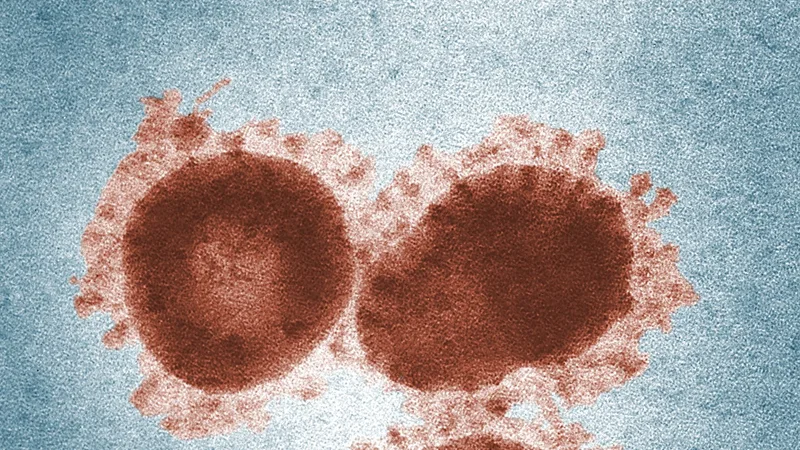
The Zika virus has become a significant public health concern in recent years. Transmitted primarily through mosquito bites, this virus can cause serious health complications, particularly in pregnant women. In this comprehensive guide, we will explore the symptoms, prevention strategies, and treatment options for the Zika virus.
What is the Zika Virus?
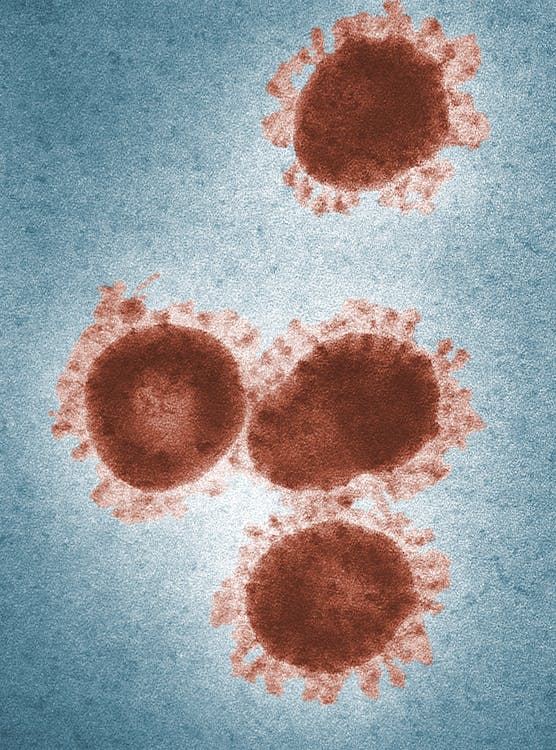
The Zika virus is a mosquito-borne flavivirus that was first identified in Uganda in 1947. It is primarily transmitted by the Aedes species of mosquito, which also spreads dengue and chikungunya viruses. In addition to mosquito bites, the Zika virus can be transmitted through sexual contact, blood transfusions, and from mother to fetus during pregnancy.
Symptoms of Zika Virus
Many people infected with the Zika virus may not exhibit any symptoms. When symptoms do occur, they are usually mild and can last for several days to a week. Common symptoms include:
- Fever
- Rash
- Joint pain
- Conjunctivitis (red eyes)
- Muscle pain
- Headache
Complications
While the symptoms are generally mild, the Zika virus can lead to severe complications, especially in pregnant women. The virus can cause microcephaly and other severe fetal brain defects. Additionally, Zika has been associated with Guillain-Barré syndrome, a rare disorder that can lead to muscle weakness and paralysis.
Prevention Strategies
Preventing Zika virus infection involves taking steps to avoid mosquito bites and practicing safe sex. Here are some effective prevention strategies:
Mosquito Bite Prevention
- Use Insect Repellent: Apply an EPA-registered insect repellent containing DEET, picaridin, or oil of lemon eucalyptus.
- Wear Protective Clothing: Wear long-sleeved shirts and long pants to reduce skin exposure.
- Stay in Air-Conditioned or Screened-In Areas: Mosquitoes are less likely to enter enclosed, air-conditioned spaces.
- Eliminate Standing Water: Mosquitoes breed in standing water, so regularly empty and clean containers that collect water.
Safe Sex Practices
Since Zika can be transmitted sexually, using condoms and practicing safe sex can reduce the risk of transmission. Pregnant women and their partners should be particularly cautious and consider abstaining from sex or using condoms throughout the pregnancy.
Treatment Options
There is currently no specific treatment for Zika virus infection. Management of the virus focuses on relieving symptoms and includes the following measures:
- Rest: Get plenty of rest to help your body fight the infection.
- Hydration: Drink fluids to prevent dehydration.
- Pain Relief: Use acetaminophen to reduce fever and pain. Avoid aspirin and nonsteroidal anti-inflammatory drugs (NSAIDs) until dengue can be ruled out to reduce the risk of bleeding.
Zika Virus and Pregnancy
The most concerning aspect of the Zika virus is its impact on pregnant women and their babies. Infection during pregnancy can lead to congenital Zika syndrome, which includes severe birth defects such as microcephaly, brain damage, and eye defects. Pregnant women should take extra precautions to avoid mosquito bites and consult their healthcare provider if they suspect they have been infected with the Zika virus.
Global Impact and Outbreaks
The Zika virus has caused several outbreaks worldwide, particularly in tropical and subtropical regions. Significant outbreaks have occurred in Brazil, other parts of South America, the Caribbean, and Southeast Asia. Travelers to these regions should be vigilant about mosquito bite prevention and follow travel advisories.
Conclusion
The Zika virus remains a serious health threat, especially for pregnant women and their babies. Understanding the symptoms, prevention strategies, and treatment options is crucial for protecting yourself and your loved ones. By taking proactive measures, such as using insect repellent, wearing protective clothing, and practicing safe sex, you can significantly reduce your risk of Zika virus infection.
More from Health

Ever feel like there's just not enough time in the day to get everything done? You're not alone! In today’s fast-paced world, finding ways to maximize productivity is more important than ever. The good news is that by making small, intentional lifestyle changes, you can significantly boost your efficiency without burni

Eating organic food has become more than just a trend—it's a conscious lifestyle choice aimed at promoting better health and environmental sustainability. However, many people believe that going organic is too expensive. Fortunately, with some smart strategies, it’s possible to eat organically without breaking the bank

In recent years, amaranth has gained popularity among health enthusiasts and foodies alike. This ancient grain, once a staple food of the Aztecs, has resurfaced as a powerhouse ingredient for modern kitchens. Packed with protein, fiber, and a host of other nutrients, amaranth is a versatile and delicious addition to an
Stay in the loop
Get the latest articles delivered to your inbox. No spam, unsubscribe anytime.
The Impact of Screen Time on Sleep: Strategies for Better Rest
In today’s digital age, screens are an integral part of our lives. From smartphones to laptops, we are constantly surrounded by electronic devices. However, this increasing screen time can significantly affect our sleep quality. In this blog, we will explore the impact of screen time on sleep and provide effective stra
Continue Reading