Update on GDL strike on Deutsche Bahn(DB). Is there strike stopped?
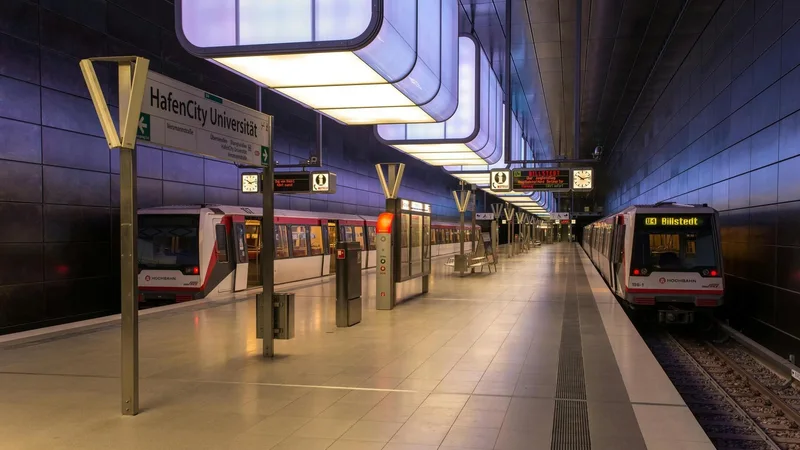
Agreement Reached Between GDL and Deutsche Bahn Deutsche Bahn Hafencity The German Train Drivers Union (GDL) and Deutsche Bahn have come to an agreement. The Bahn regards the agreement as a "smart compromise," while GDL head Weselsky views it as "a success almost in its entirety." What are the key points and
Agreement Reached Between GDL and Deutsche Bahn

The German Train Drivers Union (GDL) and Deutsche Bahn have come to an agreement. The Bahn regards the agreement as a "smart compromise," while GDL head Weselsky views it as "a success almost in its entirety." What are the key points and implications of this agreement?
- Terms of the Agreement
The agreement contains three main points. First, train drivers will receive an inflation adjustment allowance of 2,850 euros, with 1,500 euros to be paid this month and the remaining 1,350 euros expected in May. Second, wages will increase in two stages by 420 euros per month, with an increase of 210 euros starting from August 1, 2024 and April 1, 2025. The most significant aspect is the gradual reduction of the regular weekly working hours from 38 to 35, to be fully implemented by 2029. Specifically, the weekly working hours will decrease to 37 hours on January 1, 2026, 36 hours on January 1, 2027, 35.5 hours on January 1, 2028, and 35 hours on January 1, 2029. This reduction will be accompanied by a flexible working hours model, which allows for a maximum of 40 hours per week, with an additional 2.7% wage increase for each extra hour.
- Implications for Bahn's Competitors
Prior to reaching an agreement with Deutsche Bahn, the GDL had already negotiated tariff agreements with around 30 other railway companies. However, these agreements were contingent on the market leader, Deutsche Bahn, also agreeing to the 35-hour workweek. This condition has now been met, with corresponding implications for Bahn's competitors.
- Background to the Agreement
Before reaching this compromise, both parties were engaged in a tough negotiation process that lasted for five months. This period saw six strikes, one failed mediation attempt, and multiple legal disputes. A significant point of contention was the GDL's demand for a 35-hour workweek for shift personnel, including full wage compensation, which the Bahn initially rejected. The flexible working hours model seems to have facilitated the eventual agreement.
- When Can GDL Strikes be Expected Next?
Under the leadership of the outgoing GDL president, Claus Weselsky, there will be no further strikes. The agreement is in effect until December 31, 2025, while the provisions regarding working hours extend until December 31, 2028. The agreement also includes a two-month negotiation period with a truce until the end of February 2026.
- Impact on the EVG Contract
The agreement between the GDL and Deutsche Bahn does not affect the existing contract with the rival Eisenbahn- und Verkehrsgewerkschaft (EVG). Bahn-Personalvorstand Martin Seiler stated, "We have existing contracts with the EVG that run until the end of March next year. We have not agreed to any renegotiation clause, and accordingly, we expect to sit at the negotiating table with the EVG around this time next year."
- Reactions to the Agreement
The agreement's flexible working hours model has been lauded by the Bahn and economists as a forward-looking solution. Clemens Fuest, the president of the Munich-based ifo Institute, emphasized the importance of this flexibility, stating that employees can choose between working 35 and 40 hours per week, with higher pay for those who choose to work more. Fuest also noted that this is a more effective approach to addressing the skilled labor shortage than a mandatory 35-hour workweek.
- Further Consequences of the Labor Dispute
Despite the agreement, the FDP has announced plans to reform the strike law. Reinhard Houben, the economic policy spokesperson of the FDP-Bundestagsfraktion, stated that the recent labor disputes highlight the need for guidelines to regulate the right to strike in critical infrastructure sectors. The FDP's proposal is based on similar provisions in other European countries. In addition to the six Bahn strikes, there have been multiple strikes in the airline industry, prompting similar calls for reform from the CDU and CSU.
More from News
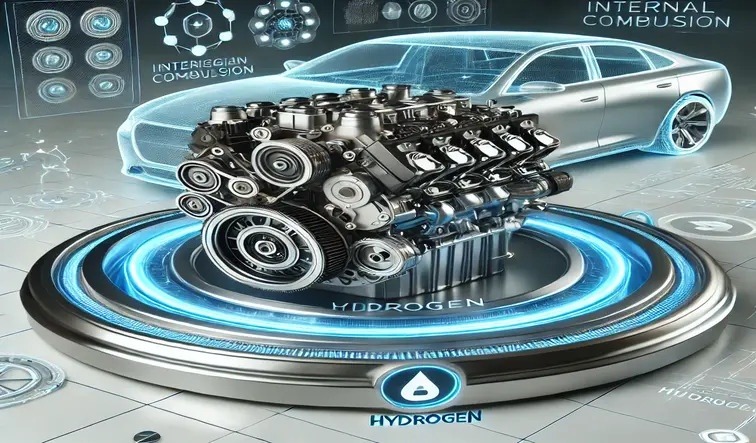
Triton EV, a leading electric vehicle manufacturer, has introduced a groundbreaking hydrogen-powered internal combustion engine (ICE), marking a significant leap towards sustainable transportation. This innovative engine, unveiled in 2024, is designed to operate using hydrogen as fuel, providing a cleaner, greener alte

In today’s globalized world, sending money internationally has become easier than ever, especially with the rise of fintech apps. If you're living in Germany and need to send money to family, friends, or business associates in India, you're in luck—there are plenty of great options available. In this article, we'll rev
Understanding contemporary issues can often seem like navigating through a complex maze. However, history offers a powerful tool for deciphering these challenges. By looking back at historical events, trends, and decisions, we can gain valuable insights into the present and make more informed decisions about the future
Stay in the loop
Get the latest articles delivered to your inbox. No spam, unsubscribe anytime.
India's Shift Towards Living Wages: Ensuring Dignity and Economic Justice
In a significant stride towards economic justice and fair labor practices, India is considering a transition from minimum wage systems to living wages. This shift holds immense promise for the country's workforce, aiming to provide not just a bare minimum, but a wage that allows for a decent standard of living. Let's e
Continue Reading