Word Of The Day: Garrulous
Word: GarrulousType: AdjectivePronunciation: gəˈrʊləsDefinition: Excessively talkative, often in a rambling or longwinded way.Etymology: Borrowing from 17th century Latin "garrulus" meaning "talkative, garrulous," which itself comes from the Latin verb "garrire" meaning "to chatter."Meaning and Usage: Garrulous describ

Word: Garrulous
Type: Adjective
Pronunciation: gəˈrʊləs
Definition: Excessively talkative, often in a rambling or longwinded way.
Etymology: Borrowing from 17th century Latin "garrulus" meaning "talkative, garrulous," which itself comes from the Latin verb "garrire" meaning "to chatter."
Meaning and Usage: Garrulous describes someone who talks excessively, often about unimportant things and in a way that can be tedious or annoying. It can also refer to writing or speech that is wordy and long-winded.
Synonyms: Talkative, loquacious, chatty, voluble, verbose, prolix
Antonyms: Taciturn, reticent, uncommunicative, laconic
Example Sentences:
- My uncle can be quite garrulous at family gatherings, regaling everyone with stories from his childhood.
- The politician's garrulous speech failed to address the key issues facing the country.
- The novel was criticized for its garrulous prose, which bogged down the narrative.
How to Use in Conversation:
You can use "garrulous" to describe someone who talks too much, especially if they are talking about unimportant things. For example, you might say, "I found the lecture a bit garrulous, and I lost interest after a while."
Interesting Facts or Trivia:
The Latin root "garrire" is likely an imitative word, meaning it was created to sound like the act of chattering.
Quote of the Day:
"Speech is silver, silence is golden." - Thomas Carlyle (This proverb suggests that sometimes it's better to keep quiet than to talk excessively.)
Incorporating "Garrulous" into Your Vocabulary:
Using "garrulous" can add a more precise and nuanced way to describe someone who talks a lot. It's a more specific term than simply saying "talkative" and suggests that the talking is not only excessive but also potentially annoying.
Share and Connect:
Have you ever encountered a garrulous person? How did you deal with the situation? Share your experiences and discuss the use of "garrulous" with others!
Conclusion:
Learning new words like "garrulous" helps you express yourself more clearly and precisely. By incorporating it into your vocabulary, you can enhance your communication skills and add a touch of sophistication to your language.
Word: Garrulous
Type: Adjective
Pronunciation: gəˈrʊləs
Definition: Excessively talkative, often in a rambling or longwinded way.
Etymology: Borrowing from 17th century Latin "garrulus" meaning "talkative, garrulous," which itself comes from the Latin verb "garrire" meaning "to chatter."
Meaning and Usage: Garrulous describes someone who talks excessively, often about unimportant things and in a way that can be tedious or annoying. It can also refer to writing or speech that is wordy and long-winded.
Synonyms: Talkative, loquacious, chatty, voluble, verbose, prolix
Antonyms: Taciturn, reticent, uncommunicative, laconic
Example Sentences:
- My uncle can be quite garrulous at family gatherings, regaling everyone with stories from his childhood.
- The politician's garrulous speech failed to address the key issues facing the country.
- The novel was criticized for its garrulous prose, which bogged down the narrative.
How to Use in Conversation:
You can use "garrulous" to describe someone who talks too much, especially if they are talking about unimportant things. For example, you might say, "I found the lecture a bit garrulous, and I lost interest after a while."
Interesting Facts or Trivia:
The Latin root "garrire" is likely an imitative word, meaning it was created to sound like the act of chattering.
Quote of the Day:
"Speech is silver, silence is golden." - Thomas Carlyle (This proverb suggests that sometimes it's better to keep quiet than to talk excessively.)
Incorporating "Garrulous" into Your Vocabulary:
Using "garrulous" can add a more precise and nuanced way to describe someone who talks a lot. It's a more specific term than simply saying "talkative" and suggests that the talking is not only excessive but also potentially annoying.
Share and Connect:
Have you ever encountered a garrulous person? How did you deal with the situation? Share your experiences and discuss the use of "garrulous" with others!
Conclusion:
Learning new words like "garrulous" helps you express yourself more clearly and precisely. By incorporating it into your vocabulary, you can enhance your communication skills and add a touch of sophistication to your language.
Word: Garrulous
Type: Adjective
Pronunciation: gəˈrʊləs
Definition: Excessively talkative, often in a rambling or longwinded way.
Etymology: Borrowing from 17th century Latin "garrulus" meaning "talkative, garrulous," which itself comes from the Latin verb "garrire" meaning "to chatter."
Meaning and Usage: Garrulous describes someone who talks excessively, often about unimportant things and in a way that can be tedious or annoying. It can also refer to writing or speech that is wordy and long-winded.
Synonyms: Talkative, loquacious, chatty, voluble, verbose, prolix
Antonyms: Taciturn, reticent, uncommunicative, laconic
Example Sentences:
- My uncle can be quite garrulous at family gatherings, regaling everyone with stories from his childhood.
- The politician's garrulous speech failed to address the key issues facing the country.
- The novel was criticized for its garrulous prose, which bogged down the narrative.
How to Use in Conversation:
You can use "garrulous" to describe someone who talks too much, especially if they are talking about unimportant things. For example, you might say, "I found the lecture a bit garrulous, and I lost interest after a while."
Interesting Facts or Trivia:
The Latin root "garrire" is likely an imitative word, meaning it was created to sound like the act of chattering.
Quote of the Day:
"Speech is silver, silence is golden." - Thomas Carlyle (This proverb suggests that sometimes it's better to keep quiet than to talk excessively.)
Incorporating "Garrulous" into Your Vocabulary:
Using "garrulous" can add a more precise and nuanced way to describe someone who talks a lot. It's a more specific term than simply saying "talkative" and suggests that the talking is not only excessive but also potentially annoying.
Share and Connect:
Have you ever encountered a garrulous person? How did you deal with the situation? Share your experiences and discuss the use of "garrulous" with others!
Conclusion:
Learning new words like "garrulous" helps you express yourself more clearly and precisely. By incorporating it into your vocabulary, you can enhance your communication skills and add a touch of sophistication to your language.
Word: Garrulous
Type: Adjective
Pronunciation: gəˈrʊləs
Definition: Excessively talkative, often in a rambling or longwinded way.
Etymology: Borrowing from 17th century Latin "garrulus" meaning "talkative, garrulous," which itself comes from the Latin verb "garrire" meaning "to chatter."
Meaning and Usage: Garrulous describes someone who talks excessively, often about unimportant things and in a way that can be tedious or annoying. It can also refer to writing or speech that is wordy and long-winded.
Synonyms: Talkative, loquacious, chatty, voluble, verbose, prolix
Antonyms: Taciturn, reticent, uncommunicative, laconic
Example Sentences:
- My uncle can be quite garrulous at family gatherings, regaling everyone with stories from his childhood.
- The politician's garrulous speech failed to address the key issues facing the country.
- The novel was criticized for its garrulous prose, which bogged down the narrative.
How to Use in Conversation:
You can use "garrulous" to describe someone who talks too much, especially if they are talking about unimportant things. For example, you might say, "I found the lecture a bit garrulous, and I lost interest after a while."
Interesting Facts or Trivia:
The Latin root "garrire" is likely an imitative word, meaning it was created to sound like the act of chattering.
Quote of the Day:
"Speech is silver, silence is golden." - Thomas Carlyle (This proverb suggests that sometimes it's better to keep quiet than to talk excessively.)
Incorporating "Garrulous" into Your Vocabulary:
Using "garrulous" can add a more precise and nuanced way to describe someone who talks a lot. It's a more specific term than simply saying "talkative" and suggests that the talking is not only excessive but also potentially annoying.
Share and Connect:
Have you ever encountered a garrulous person? How did you deal with the situation? Share your experiences and discuss the use of "garrulous" with others!
Conclusion:
Learning new words like "garrulous" helps you express yourself more clearly and precisely. By incorporating it into your vocabulary, you can enhance your communication skills and add a touch of sophistication to your language.
More from Education
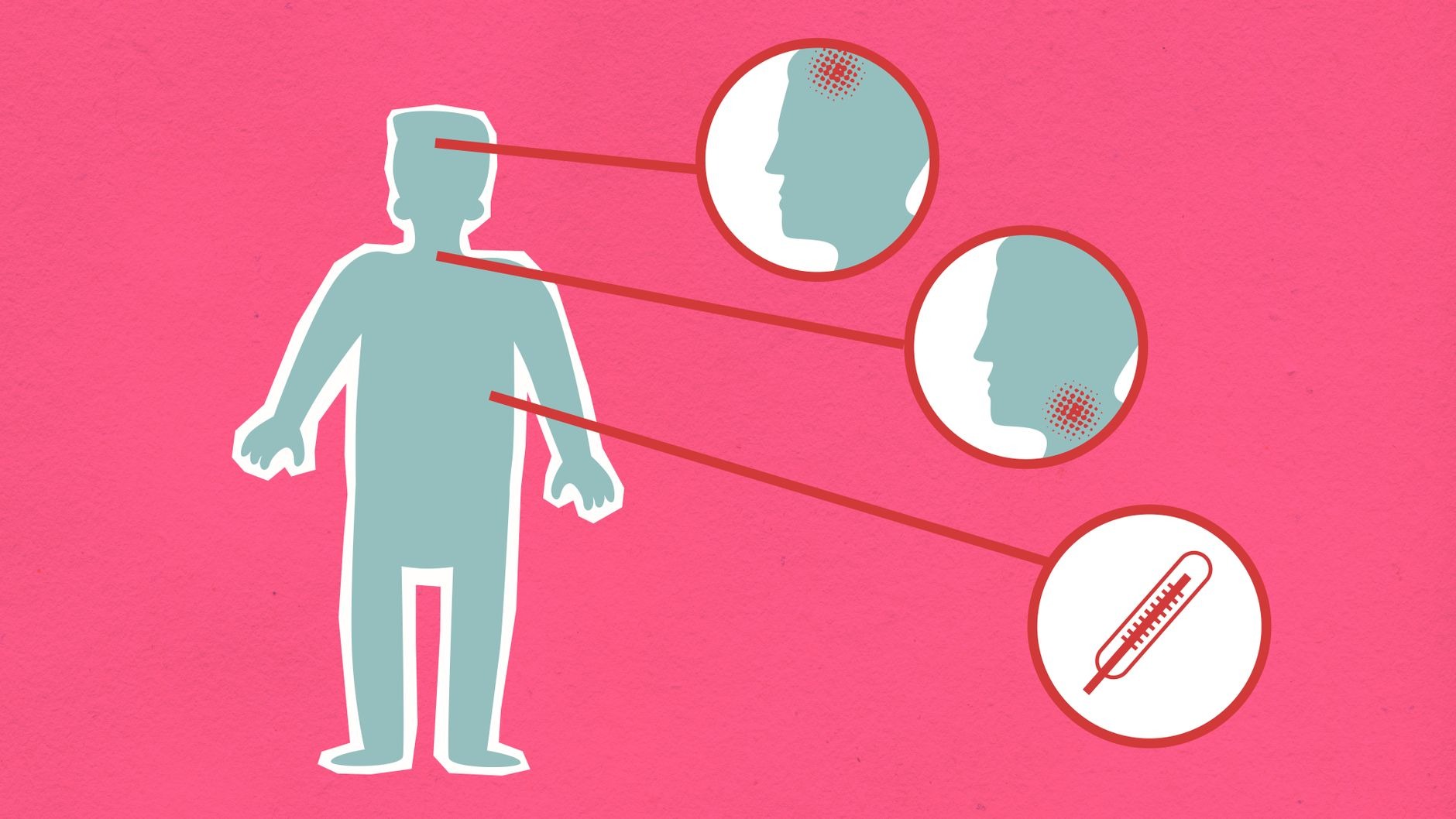
What is Cherry Angioedema?Cherry angioedema is a condition characterized by the sudden appearance of red, cherry-like swellings on the skin. These swellings are essentially benign tumors of blood vessels that can appear anywhere on the body. Though not typically life-threatening, the condition can cause discomfort and

Word of the Day: PerfidiousType: AdjectivePronunciation: pərˈfɪdiəsDefinition: Deliberately faithless; treacherous; deceitful.Etymology: From Latin "perfidus" meaning "faithless."Meaning and Usage: Perfidious describes someone who betrays trust in a serious way, often through trickery or dishonesty. It implies a delibe
CerebralType: AdjectivePronunciation: suh-REE-bruhl (US) / suh-REE-bruhl or suh-REBR-uhl (UK)Definition:Of or relating to the brain or intellect.Primarily intellectual in nature; appealing to the mind rather than the emotions.Etymology:The word "cerebral" comes from the Latin word "cerebrum," which means "brain."
Stay in the loop
Get the latest articles delivered to your inbox. No spam, unsubscribe anytime.
How to Transition Your Makeup Routine for Different Seasons
Makeup is a powerful tool for self-expression, enhancing your natural beauty, and feeling confident in your skin. However, as the seasons change, so does the environment, impacting your skin's needs and how your makeup performs. Transitioning your makeup routine for different seasons ensures that you look your best yea
Continue Reading